

Man Utd transfer failures fuel worst Premier League start

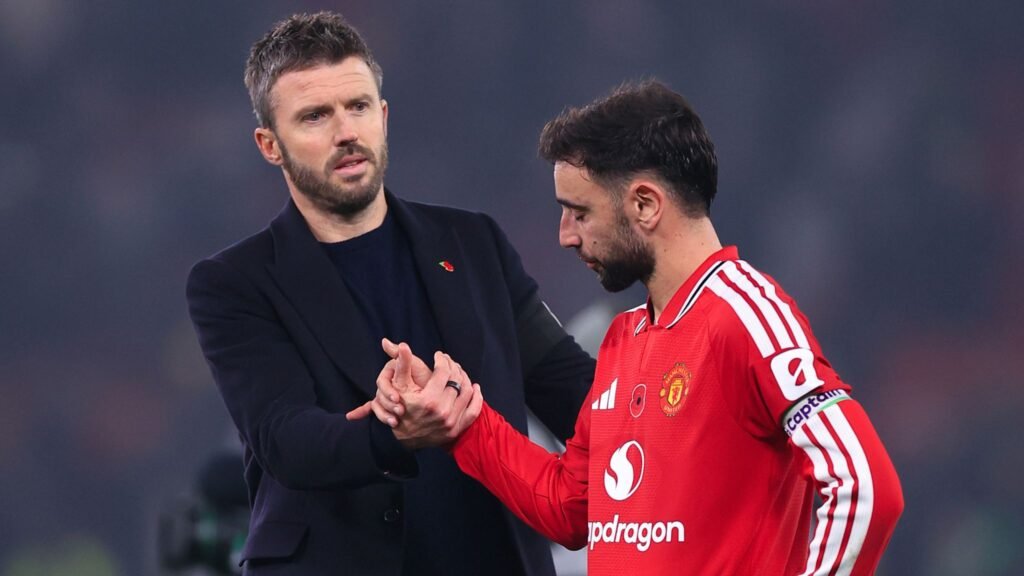
Manchester United’s dismal start to the Premier League season has thrown the club into yet another crisis, and the spotlight is burning brightest on the boardroom rather than the dugout. According to former Arsenal midfielder Paul Merson, the root cause of the club’s worst-ever Premier League opening lies squarely with a flawed Man Utd transfer strategy, not with interim boss Michael Carrick. Consequently, the debate raging around Old Trafford has shifted from tactics on the pitch to the decision-making that shaped this unbalanced squad.
United have stumbled through their opening fixtures with a series of disjointed performances, conceding goals at an alarming rate while struggling to create clear-cut chances at the other end. Specifically, the midfield has been overrun repeatedly, the defence has looked brittle under pressure, and the attack has lacked any coherent link between the lines. As a result, the club finds itself languishing in the lower reaches of the table, a position few supporters could have imagined just months ago. Meanwhile, Carrick has been left to pick up the pieces, thrust into an impossible situation with limited tools at his disposal.
Why Man Utd transfer policy deserves the blame
Merson has been vocal in his assessment, arguing that Carrick is merely a symptom of a far deeper malaise. In fact, he insists the squad’s glaring imbalances stem from years of scattergun recruitment, where marquee names were signed without any coherent tactical vision. Moreover, he points to the failure to address obvious weaknesses in central midfield and at full-back, areas that have been exposed ruthlessly in recent weeks. “You can’t keep blaming the manager when the players simply aren’t good enough in key positions,” Merson argued, noting that the squad lacks both legs in midfield and genuine width.
Furthermore, the interim coach has been handed a group that appears mentally fragile, bereft of leadership, and devoid of the intensity required to compete at the top level. Additionally, the timing of the managerial change has compounded the problem, leaving Carrick to prepare for crucial fixtures without a settled structure or a fully fit squad. For instance, the lack of a reliable defensive midfielder has forced makeshift solutions, while the forward line remains overly reliant on individual brilliance rather than cohesive team play. Therefore, any fair assessment must acknowledge that the Man Utd transfer failings have created a perfect storm that no coach could easily fix overnight.
Historical records expose the scale of the decline
The statistics paint a damning picture. Notably, this campaign represents the club’s poorest points return at this stage of a Premier League season since the competition’s inception, surpassing even the struggles of previous managerial regimes. Similarly, the defensive record is among the worst in the division, with the team conceding more than two goals per game on average. In addition, the attacking numbers tell an equally grim story, as the side ranks near the bottom for expected goals and shot conversion.
Besides the raw numbers, the historical comparison with United’s title-winning eras is stark. Specifically, the current squad lacks the spine that defined the great sides of the past, and the recruitment model has veered wildly between signing ageing superstars and unproven prospects. Consequently, the club has spent enormous sums without building a coherent identity, a pattern that has repeated itself across multiple managerial reigns. As a result, supporters are demanding accountability from those above the manager, with many calling for a fundamental overhaul of the Man Utd transfer approach before another season slips away.
Ultimately, the coming months will determine whether the club’s hierarchy finally learns from its mistakes. However, until recruitment is aligned with a clear footballing philosophy, the cycle of crisis will likely continue. Therefore, the message is unmistakable: fixing the dugout alone will not solve the problem, because the real rebuilding must begin in the boardroom.