
Formula star Lewis Hamilton Visits Rafah for Gaza Aid

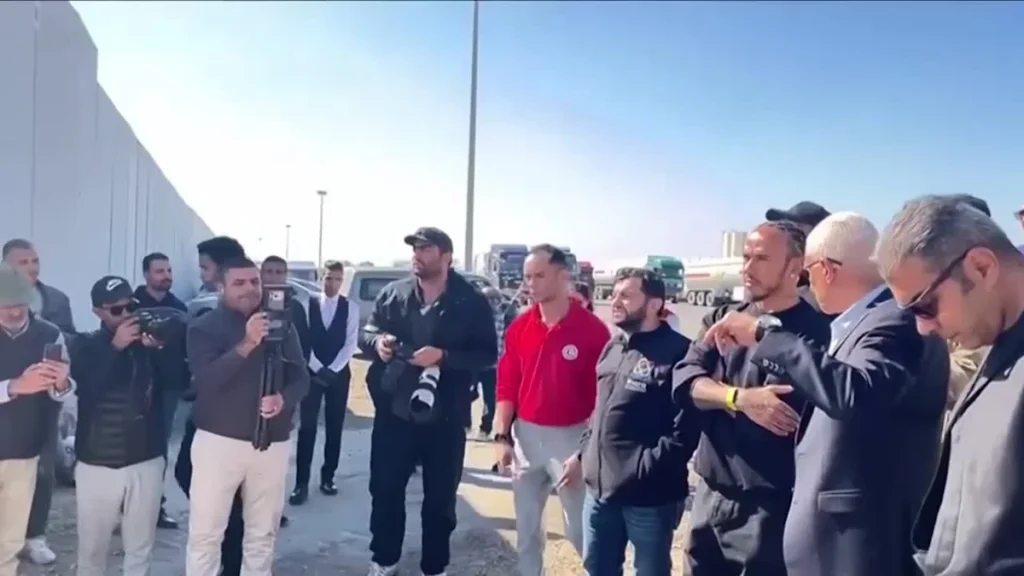
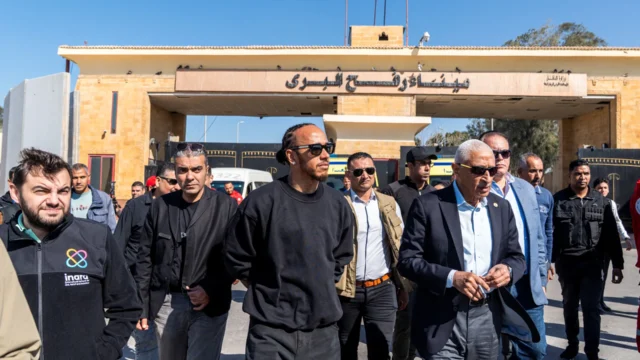
Formula star Lewis Hamilton has once again proven that his influence extends far beyond the racetrack. On Tuesday, the seven-time Formula 1 world champion made a surprise visit to Egypt’s Rafah border crossing, where he toured Egyptian Red Crescent warehouses and met with aid workers coordinating humanitarian relief for the war-torn Gaza Strip. Moreover, the visit underscored a growing trend of global sports figures using their platforms to spotlight international crises. Consequently, Hamilton’s presence at one of the world’s most sensitive humanitarian corridors drew immediate international attention.
Accompanied by North Sinai Governor Khaled Megawer, the British driver greeted aid workers and officials while learning about Egypt’s extensive logistical efforts to send supplies into Gaza. Specifically, he walked through storage facilities stacked with food, medical equipment, and essential goods awaiting delivery. In addition, Hamilton spoke directly with volunteers who described the immense challenges of moving aid through the crossing. Notably, the visit came without major fanfare, reflecting a deliberate focus on the humanitarian mission rather than publicity.
Formula Star Lewis Hamilton Champions Humanitarian Causes
Hamilton’s decision to visit Rafah aligns with his long-standing commitment to social justice and humanitarian advocacy. For instance, he has repeatedly used his global platform to address inequality, environmental issues, and human rights concerns. Furthermore, his presence at the border sends a powerful message about the urgency of humanitarian access in the region. However, the visit also raises important questions about the role of athletes in geopolitics. Similarly, it highlights how sports stars can amplify awareness without making overt political statements. As a result, Hamilton continues to redefine what it means to be a modern sporting icon.
Observers noted that the driver’s engagement with Egyptian Red Crescent workers was genuine and detailed. Besides, he reportedly asked pointed questions about supply chain bottlenecks and the scale of need inside Gaza. Therefore, his visit was not merely symbolic but educational, giving him firsthand insight into the complexities of aid delivery in conflict zones.
Historical Records and Broader Impact of the Visit
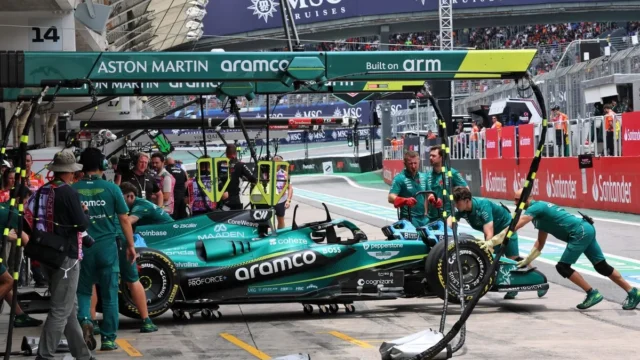
Hamilton’s achievements in Formula 1 are well documented: seven world titles, 105 race victories, and 104 pole positions, making him the most successful driver in the sport’s history. In fact, his influence off the track has grown steadily, with ventures into fashion, sustainability, and philanthropy. Moreover, his visit to Rafah adds to a legacy that increasingly blends athletic excellence with social responsibility. Similarly, other sports figures have followed similar paths, but few command the global reach that Hamilton does.
The timing of the visit is particularly significant. Consequently, it draws fresh attention to the humanitarian situation at a critical moment. In addition, aid agencies have consistently called for greater international support, and high-profile visits can help sustain media coverage. Notably, Egypt’s Red Crescent has been a key conduit for relief, and Hamilton’s tour highlighted their often-overlooked efforts. As a result, the visit may encourage further donations and diplomatic engagement.
Ultimately, this moment reinforces that Formula star Lewis Hamilton remains a figure of global consequence, both on and off the circuit. Furthermore, his willingness to engage with difficult humanitarian realities sets a benchmark for other athletes. Therefore, the coming months may see increased athlete-led advocacy on international crises. Meanwhile, Hamilton’s focus will eventually return to racing, but his impact at Rafah will linger.